

How Chinese Spy Vessels Are Mapping India’s Submarine Corridors in the Indian Ocean
Where is the India-China Rivalry Playing Out?
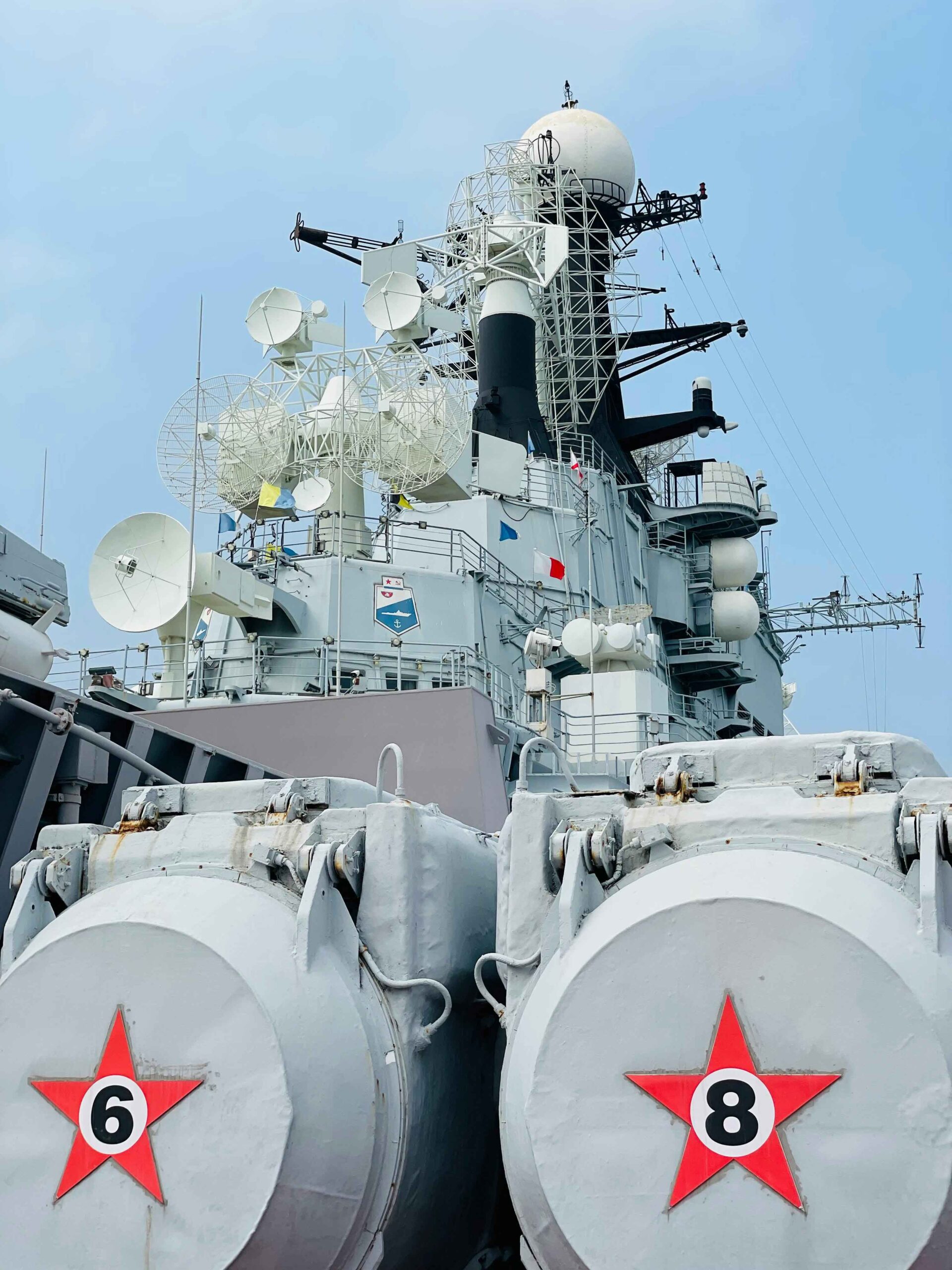
Most people would say it’s on land, across the rugged Himalayan terrain. And yes, that remains the biggest flashpoint. But away from the global spotlight, another theater is heating up: the seas. China is quietly mounting a maritime challenge near Indian waters.
China’s Covert Activity in the Bay of Bengal
A new report from a French intelligence firm tracked about 1,900 ships in the Bay of Bengal, most using AIS (Automatic Identification System) tracking. However, 10% of those ships had turned their AIS off, clearly indicating attempts to remain hidden.
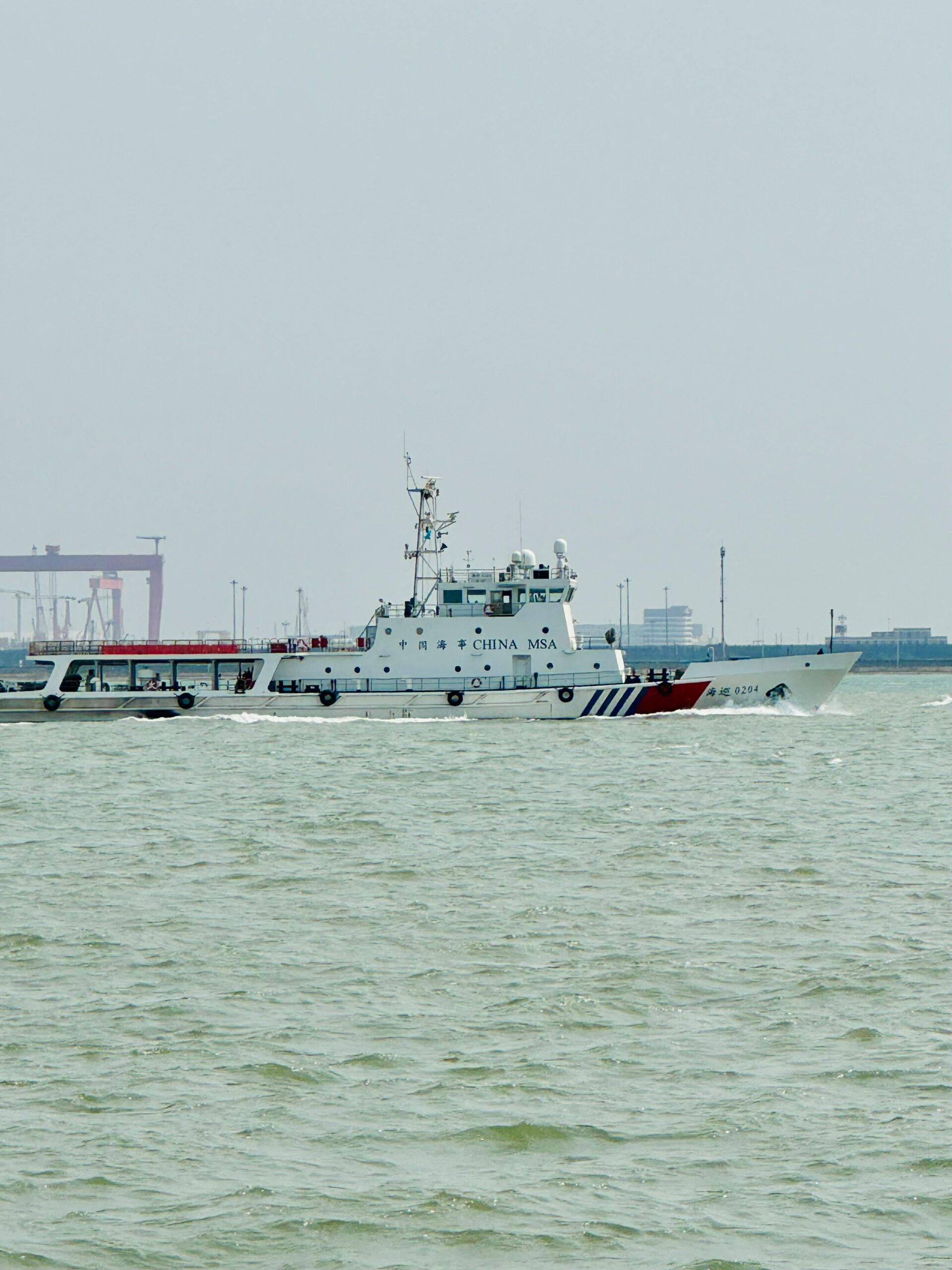
One vessel especially caught their attention—a Chinese research ship operating in secret and sailing near Indian military zones. This ship was detected in 10 different strategic locations close to India and Sri Lanka.
The Truth Behind “Research” Vessels
Despite AIS being off, the vessel was tracked using radio frequencies, which all ships emit. Analysis revealed this vessel wasn’t conducting innocent marine research—it was mapping the seafloor and, more critically, identifying submarine corridors likely used by Indian naval submarines.
Such intel would be vital in a wartime scenario. This isn’t China’s first attempt—similar spy vessels have docked in Sri Lanka in recent years. After Indian objections, Sri Lanka banned such vessels, which may have led to covert operations like this.
What is China’s End Goal?
Put, power projection in the Indian Ocean.
-
2008: China began deploying warships here.
-
2014: Submarines joined the scene.
-
2017: First overseas military base in Djibouti.
-
2020-2024: Naval drills surged—7 (2020-22), 14 (2023), and 12 already in 2024.
-
Infrastructure Play: China holds stakes in Karachi, Gwadar, and Hambantota—strategic ports ringing India.
The Indian Ocean is crucial to China’s energy security: 80% of Chinese oil passes through it. Control over this region allows China to secure its supply lines and potentially box India in geopolitically.
What’s at Stake for India?
A lot. India is a maritime nation with:
-
11,000+ km coastline
-
95% of its trade is via sea
-
Strategic assets like the new submarine base in Andhra Pradesh
The Indian Ocean is as much a choke point for India as it is for China. Therefore, Chinese surveillance and mapping efforts are deeply concerning.
How Should India Respond?
Immediate Incident: The Indian Navy was aware of the Chinese vessel. Since it was outside Indian waters, the Navy monitored and warned it but had no jurisdiction for further action.
Historical Precedent: In August last year, India tracked three Chinese research ships in the region. Vigilance remains the strategy.
But longer-term, two strategic goals emerge:
1. Close the Naval Power Gap
India is dominant in the Indian Ocean—but not yet in fleet size:
-
India: 293 vessels
-
China: 754 vessels (including more carriers, destroyers, and submarines)
To close the gap:
-
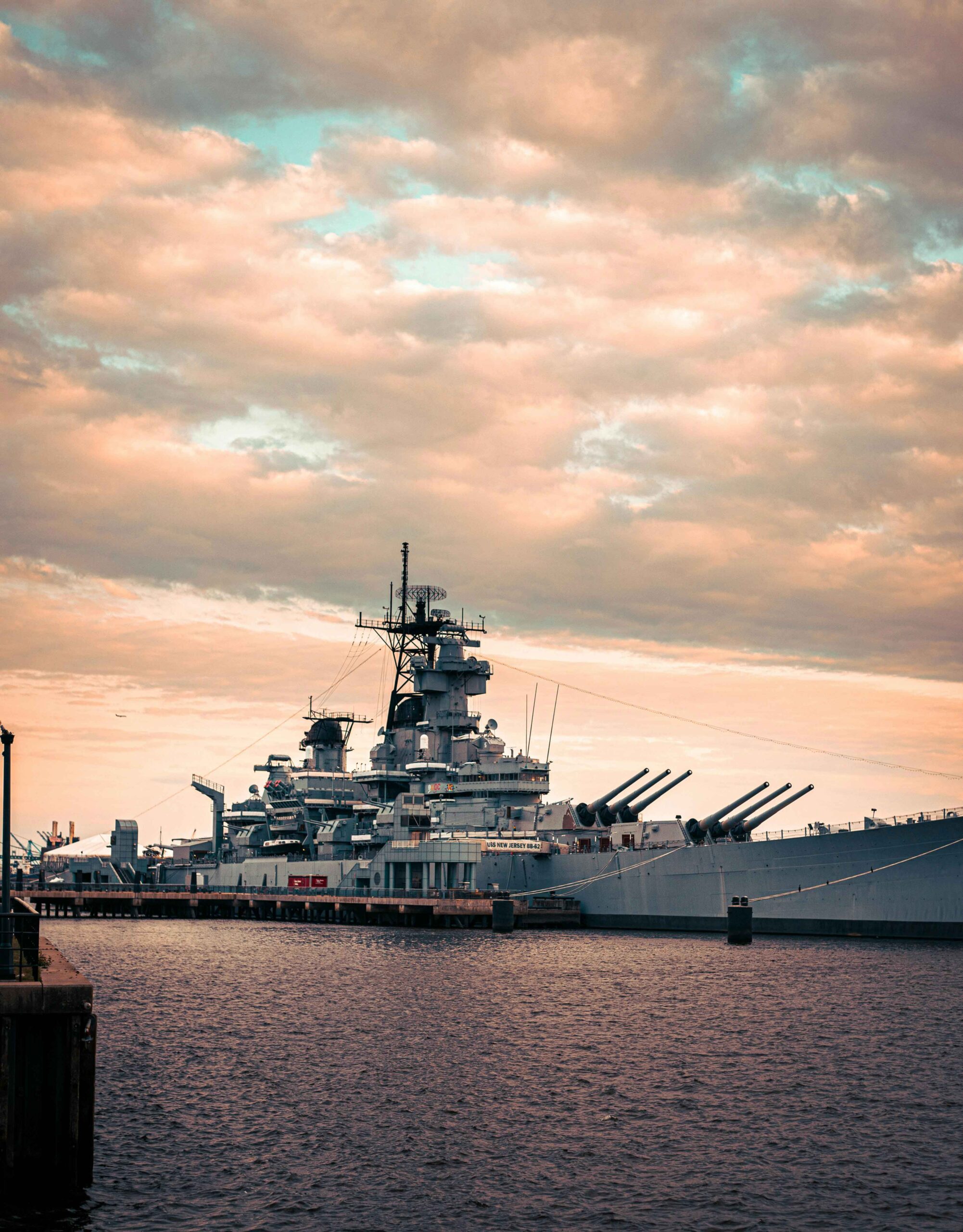
61 warships/submarines are under construction in India
-
17 more are awaiting approval
-
Budgeted naval modernization: ~$28 billion
2. Counter China’s Port Diplomacy
China is building influence in Kenya, Tanzania, Madagascar, Sri Lanka, the Maldives, etc. Though China lacks a native Indian Ocean coastline, it is embedding itself via infrastructure.
India’s response: SAGAR (Security and Growth for All in the Region), unveiled in 2015 by PM Modi. It aims to assert India’s role as the net security provider in the Indian Ocean through counter-piracy operations, disaster response, and strategic partnerships.
Red Line: Aircraft Carriers
So far, China has not deployed carriers to the Indian Ocean. Should that happen, it may be seen as crossing a major red line for India.
Conclusion
This isn’t just about one vessel or one mission. It’s part of a long-term maritime chess match. The Indian Ocean is a strategic frontier for both India and China. While India maintains geographic and naval primacy for now, sustained modernization and regional engagement are essential to keep it that way.